
Uprooting Colonial Ableism: A Call for Tiriti-Led Transformation
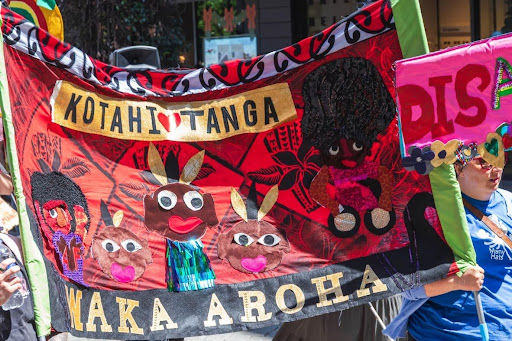
The Crown’s approach to the disability has long been a monocultural project that prioritises bureaucratic convenience over the inherent mana of tāngata whaikaha as showcased. Our recent paper, (based on evidence presented at the WAI 2619 Waitangi Tribunal Māori disability claim) in Wicazō sa Review provides some robust critical analysis and some practical pathways forward.
To move forward, we must confront colonial ableism, a term coined by Gary Williams and Ruth Jones to describe the specific marginalisation and oppression of Māori with lived experience of disability by the state. This system has deep paternalistic roots in Euro-centric attitudes that doesn’t view disability as a source of strength. For decades, these attitudes led to the institutionalisation of tāngata whaikaha in state and faith-based care where they were often subjected to abuse. Furthermore, colonial state actions such as closed adoptions have actively severed the connections many tāngata whaikaha have to their whānau, hapū, and iwi.
Our current systems remain siloed and difficult to navigate, often ignoring the collective nature of te ao Māori. This is evident in the way assessment agencies recognise tāngata whaikaha as distinct individuals rather than as intertwined whānau. To secure essential resources, individuals are frequently forced into a deficit trap, describing their lives in the most negative ways possible to meet funding criteria. This marginalisation is further compounded by a lack of relevant data, as current datasets rely on international questions about functional impairments that fail to capture the specific cultural needs and realities of Māori.
Real transformation requires a radical shift in power and the dismantling of these ableist hierarchies. We must move away from the Crown making consequential decisions on behalf of others and toward an environment where tāngata whaikaha exercise tino rangatiratanga. The Enabling Good Lives approach was designed to shift this authority back to tangata whaikaha and their whānau, yet the 2024 decision by the National-Party-led Coalition Government to pause its rollout and integrate operations into the Ministry of Social Development has undermined this progress.
To uplift tangata whaikaha we must prioritise whānau-centred rōpū like the Hei Whakapiki Mauri Trust, which focus on building people up as Māori first through whanaungatanga and tikanga rather than focusing on impairment. Addressing colonial ableism demands that the disability and health sectors reinvent themselves through active Tiriti-based partnerships that ensure tāngata whaikaha have a meaningful voice at every level of decision-making.
Read our full paper here:
Williams, G., Jones, R., & Came, H. (2026). Colonial Ableism: The Marginalization of Tāngata Whaikaha in Aotearoa New Zealand. Wicazo Sa Review 41(1), 20-37. https://dx.doi.org/10.1353/wic.2026.a992705.


Comments